We use cookies to run the site, remember your preferences, and for analytics and visitor identification. Where the law requires it, these only run with your consent; everywhere else you can opt out here. See our Cookie Policy.
Great Men & Women of History
The Anatomy of Greatness
What the people who bent history actually had in common. Every life read through its best biographies, every trait scored, and a control group of those who reached for greatness and lost.
44 Lives114 Biographies81 Trait Codes
Foundation — Method
What counts as greatness
Inspired by Paul Johnson's Heroes, this study treats greatness as consequential agency: the capacity of one person to move events that would otherwise have gone another way. Some of these figures were admirable. Some were monstrous. All of them left the world different.
Instead of collecting anecdotes, we profiled each figure the same way and asked a narrow question: which traits show up again and again among those who won, and which show up among those who lost?
1
Men and women of agency
Figures were chosen because they changed the world they found, across statecraft, war, science, business and moral leadership. The test was agency, not virtue.
2
Read, then scored
Each life was read through two or three of its best biographies (114 in all), then scored 0 to 5 on every one of 81 trait codes, with the evidence for each score written down.
3
A control group that lost
Alongside 38 winners sit 6 people who had many of the same gifts and failed, through hubris, fraud or tragedy. Comparing the two shows which traits actually separate them.
The Composite of Greatness
Greatness = Winning people×Stagecraft and self-invention×A self-made mind
#1 4 trait codes#2 2 trait codes#3 3 trait codes
Part I — The Traits
What the great had in common
81 trait codes collapse into 8 clusters. They are ranked by how many exemplars score 4 or 5 on at least one of their codes. Open a card for the stories, the tactics and the dark side.
01People
Winning people
Getting other people, including rivals, enemies and strangers, to want what you want and do it for you. It covers four behaviours: moving people with words, charming them one at a time, spotting and keeping talent, and binding followers with a loyalty that survives defeat.
They deliberately build a character, sometimes in body and often in reputation, and then stage it through theatre, symbols, costume, gesture and, above all, control of the written record.
Prevalence29 / 38 exemplars
Image managementSelf creation
03Mind
A self-made mind
They trust their own reasoning over authority and consensus, and many educate themselves outside or against formal schooling. At its purest it becomes reasoning from fundamentals.
Prevalence28 / 38 exemplars
Self directed learningIndependence of mindFirst principles
04Drive
Endurance
Two linked capacities: coming back from catastrophe, and working at extreme intensity for decades. The first gets them through the bad years; the second compounds the good ones.
Prevalence28 / 38 exemplars
Resilience after failureRelentless work ethic
05Mind
The long game
They work factions and rivals, judge ideas by whether they work, and wait, sometimes for years, for the moment instead of forcing it. This is statecraft in the narrow sense.
Prevalence25 / 38 exemplars
Political cunningPragmatismStrategic patience
06Purpose
Building big, and to last
They aim at the largest prize available (an empire, an industry, a nation) and design structures that keep working after they stop pushing. The test is whether the institution outlives its founder.
Prevalence24 / 38 exemplars
Institution buildingSystems thinkingAmbition for scale
07Drive
Nerve
They repeatedly bet everything, accept ruin or death as a live outcome, and stand in the line of fire themselves.
Prevalence22 / 38 exemplars
High risk tolerancePersonal courage
08Drive
The will to win
They need to win, experience rivals as enemies, and are willing to break people to do it. This is the one top trait whose core includes a shadow code; the two codes are linked (r = 0.59) closely enough that separating them would misdescribe the figures.
Prevalence23 / 38 exemplars
Competitive ferocityRuthlessness
Part II — The Matrix
Every figure, every trait
Each cell is a 0 to 5 score drawn from the biographies. Darker gold means stronger. Click a column to sort by it, or a name to open the profile.
Columns
Domain
Sex
Role
Figure
Winning people
Stagecraft and self-invention
A self-made mind
Endurance
The long game
Building big, and to last
Nerve
The will to win
44 figures
4
5
3
4
5
4
4
3
2
4
5
4
4
2
5
4
5
5
4
4
5
5
5
4
3
5
3
1
4
2
4
4
4
4
2
4
3
5
5
4
4
5
2
5
4
5
4
3
3
4
3
5
2
4
4
3
5
4
5
2
2
4
5
4
4
4
4
5
5
3
3
1
5
4
4
4
2
4
3
3
4
5
4
2
2
4
2
4
4
4
2
3
2
4
3
5
5
5
5
5
4
2
4
3
5
3
3
3
4
5
5
1
2
1
4
4
5
4
5
5
4
4
3
3
3
5
5
4
3
3
4
4
5
5
1
5
4
4
3
2
3
3
4
4
5
3
2
4
2
4
4
4
2
4
3
2
5
3
5
5
5
4
3
4
3
3
2
5
5
2
4
3
5
5
5
4
3
3
4
4
5
3
5
4
2
3
2
2
2
4
3
2
5
3
3
4
4
1
3
3
5
5
4
5
4
3
3
3
4
4
4
4
2
3
4
3
4
3
3
3
5
4
4
2
3
5
5
4
3
4
3
4
3
4
2
5
4
3
4
2
5
3
4
4
5
4
3
3
4
5
2
2
5
3
4
2
4
4
3
2
1
4
5
5
5
4
3
4
4
2
1
5
5
3
3
3
3
5
3
5
4
2
5
5
3
4
2
4
4
4
4
1
4
3
5
4
4
4
4
3
3
4
2
5
3
4
2
3
4
4
4
4
1
3
4
3
3
2
3
3
2
4
4
5
5
5
2
3
1
4
4
5
5
3
4
4
4
5
3
4
5
4
3
4
3
4
4
3
2
3
4
3
3
5
5
1
2
4
1
4
1
4
4
1
3
2
2
3
5
5
4
4
5
4
4
3
5
5
4
2
4
5
5
4
5
3
3
2
2
4
3
3
5
4
4
2
2
3
4
5
4
5
4
5
3
2
4
1
4
2
5
4
5
4
3
1
2
4
2
4
4
4
3
4
5
5
3
5
2
4
4
3
4
2
1
2
3
4
4
4
3
3
4
2
4
5
4
3
2
2
5
3
4
4
4
4
3
3
4
5
2
2
5
3
3
2
5
5
5
4
3
4
4
3
4
3
2
2
3
4
4
3
1
3
5
3
3
4
4
2
4
2
2
3
3
2
1
3
3
5
5
5
4
5
5
4
4
4
2
3
5
3
3
5
3
5
4
5
2
3
3
2
2
2
2
3
5
2
3
4
3
2
4
3
4
4
2
4
3
2
3
3
5
4
4
4
5
3
5
1
5
4
2
3
3
2
3
4
3
3
3
4
5
5
1
4
3
3
3
2
2
4
4
3
5
2
3
5
3
3
4
3
3
3
4
4
4
3
3
3
3
4
3
3
2
3
3
2
3
4
3
5
5
4
4
2
2
4
4
4
4
5
2
5
4
2
3
1
4
2
3
4
2
1
2
4
5
5
3
3
3
4
4
2
5
5
4
4
1
4
2
3
3
3
2
2
3
4
3
3
3
2
2
1
3
3
2
5
5
4
3
5
3
2
3
3
4
2
3
2
5
4
4
5
3
3
5
3
2
4
2
4
3
2
2
0
1
2
4
5
5
3
2
2
3
2
3
2
4
4
3
3
3
4
4
3
4
3
3
1
2
3
1
3
5
3
4
1
4
2
1
4
3
2
1
3
3
3
1
2
2
5
5
2
4
4
3
4
5
3
3
2
3
1
3
3
4
3
2
2
2
2
2
3
3
2
4
4
1
2
5
4
3
4
1
3
3
2
0
2
2
2
1
4
5
3
3
4
3
4
3
3
2
3
4
2
4
3
2
3
3
1
2
2
4
3
2
1
4
4
1
1
5
3
1
3
1
3
1
3
2
0
1
1
3
5
5
4
5
2
2
3
2
2
1
4
5
5
3
4
1
3
3
2
2
3
3
1
2
1
3
2
4
2
3
3
5
4
4
2
2
2
3
2
1
3
3
2
1
1
1
3
2
3
2
4
3
4
5
3
3
4
2
1
3
1
1
2
2
2
1
1
4
3
2
3
4
1
1
3
1
1
1
3
3
2
2
2
2
3
3
2
4
3
2
2
2
4
3
3
3
2
2
2
2
0
1
1
1
1
3
4
2
2
Score012345· = not yet scored
Part III — The Gallery
44 lives
The full cast, winners and losers alike. Each links to a profile with the playbook drawn from their biographies.
The control group had talent, ambition and nerve. The bars show the average score gap between winners and losers on each trait. Gold traits are what the winners had more of; dark traits are what the losers had more of.
← Losers score higherWinners score higher →
Institution building
+1.18
Talent magnet
+0.99
Meritocracy
+0.96
Irrevocability aversion
+0.95
Pragmatism
+0.92
Strategic patience
+0.86
Public confession
+0.84
Power without title
+0.83
Credulity
-1.12
Obstinacy
-1.18
Kin blind spot
-1.25
Victory without conversion
-1.79
Hannibal Barca
Cautionary · 247-183 BC
His father made him swear at an altar, aged nine, to be Rome's enemy. Hannibal became the finest battlefield general Rome ever faced and destroyed its armies in its own homeland for fifteen years. But he fought for a negotiated peace against a state that did not negotiate, and he never found the siege engines, the sea lanes, the loyal allies or the political base at home to turn his victories into a Roman surrender.
With no army, no great fortune and no consulship, Cato made himself the living voice of Rome's ancestors and used that authority to stop the most powerful men in the world in their tracks. He then treated every bargain as a betrayal, and so helped push Pompey and Caesar together, and later helped push them into the war that destroyed the Republic he was trying to save.
A lonely engineer from Kalmar who could hold a whole empire's numbers in his head and a whole room in his stare, Kreuger built real match monopolies in what he counted as two dozen countries by lending borrowed American money to broke European governments. He financed it with dividends his businesses could not earn, and he hid the gap behind secret subsidiaries, a captured auditor and, at the end, forged Italian treasury bills. When the 1929 crash shut off new money he refused to cut the dividends and doubled down instead.
A Lambeth office boy who taught himself shorthand and bookkeeping, Insull learned the electric business from inside Edison's ledgers and then worked out how to sell electricity to a whole region: huge central stations, metered and priced to keep the plant running, rates cut to win customers, the state invited in as referee, and the customers turned into shareholders. He built one of the great systems of the century. He lost it because he cared more about keeping control than about staying solvent. When a raider threatened his control in 1928-30, he bought him off with borrowed money, stacked holding company on holding company, and kept borrowing against his own falling stock until the banks took everything.
Raised from the age of eight as the evangelical showpiece of her father's ambitions, Jane was a brilliant, sharp-tongued teenager who had a crown pressed on her, tried for nine days to wear it on her own terms, and then, with the throne lost and a pardon on offer, chose to turn her trial, her letters and her scaffold into a Protestant manifesto that outlived the queen who killed her.
Queen at six days old, raised as the jewel of the French court and widowed at eighteen, Mary came home to a poor, factional, newly Protestant Scotland and for six years ruled it with charm, courage and a shrewd "middle way" in religion, then threw everything on two marriages and a flight to England, spent nineteen years as her cousin's prisoner, and died on the block in a performance so perfectly staged that it won the argument her politics had lost.
Greatness has a cost, and the great usually made other people pay it. These are the dark traits, ranked by how many winners score 4 or 5 on them.
01
Ruthlessness
Willing to destroy people or rivals to reach his ends
19 of 38 winners score 4–5
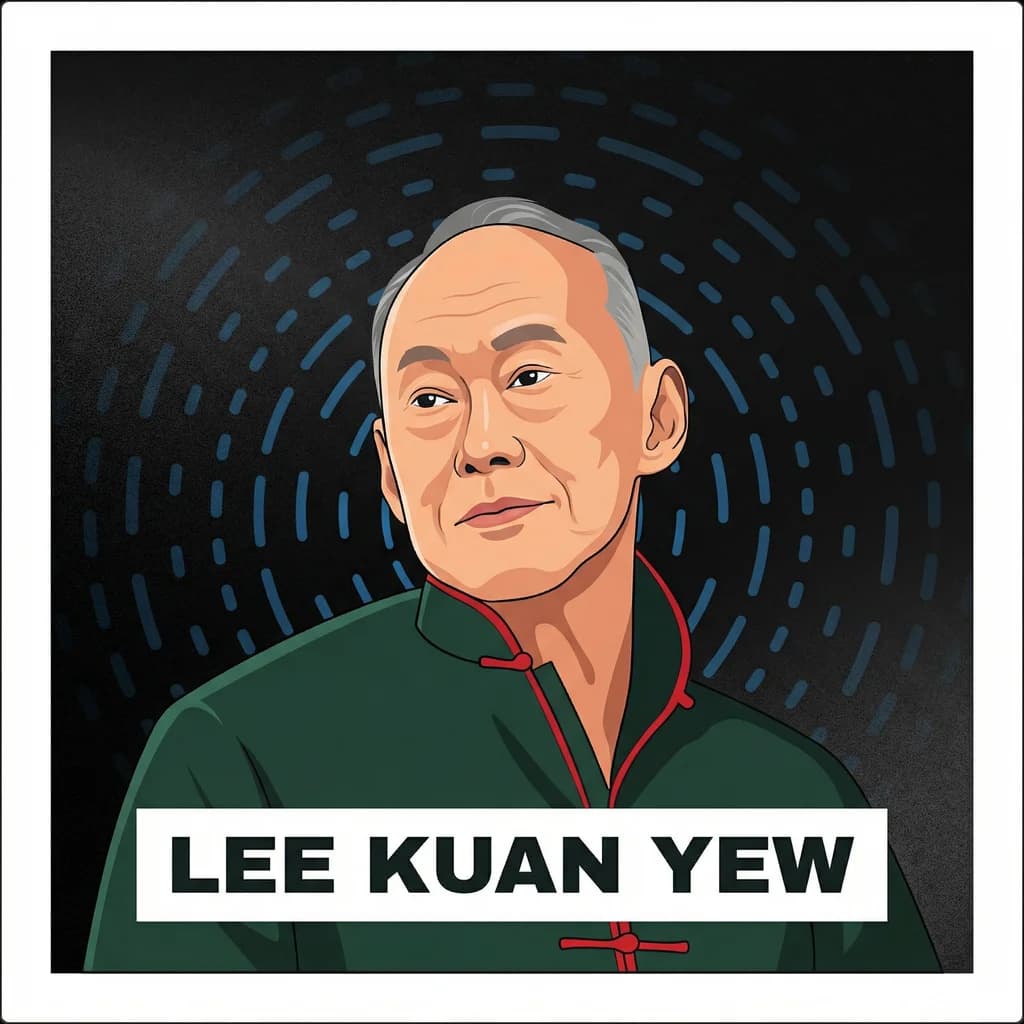
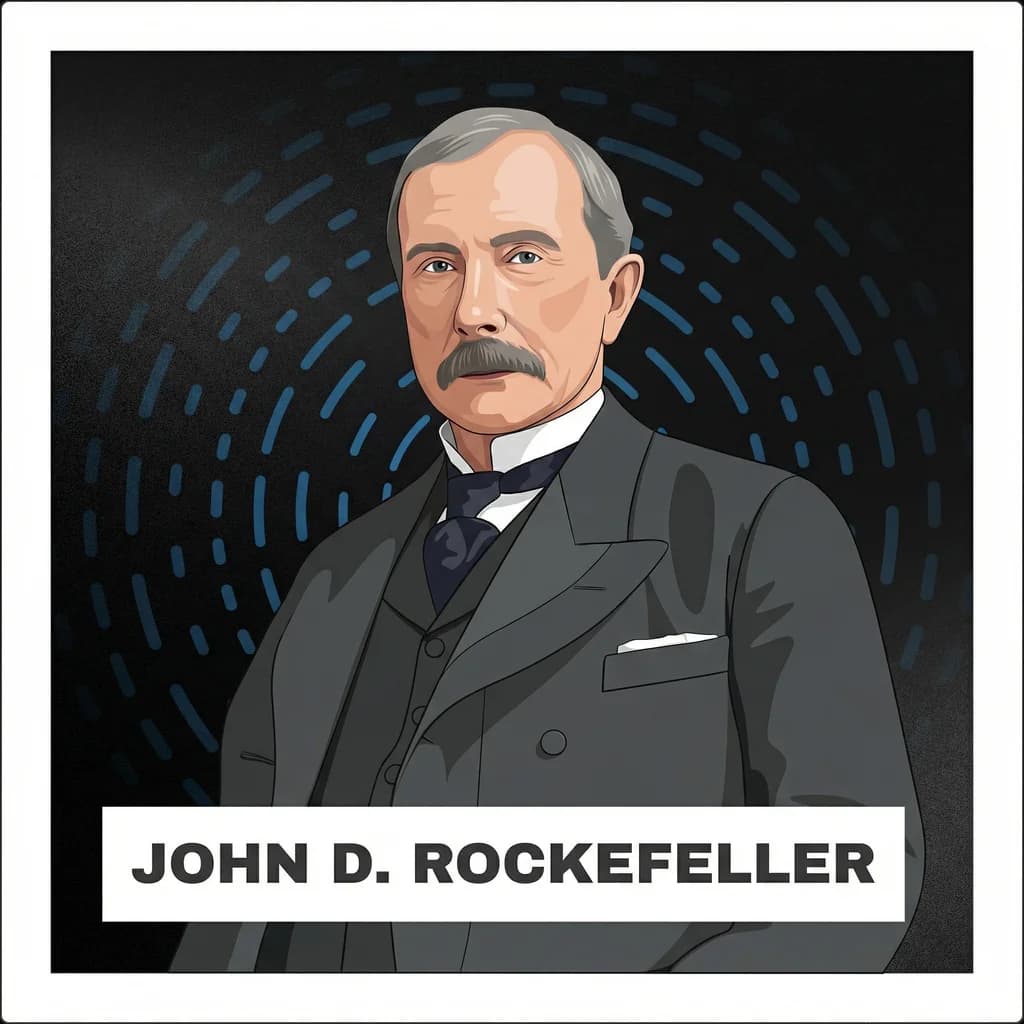
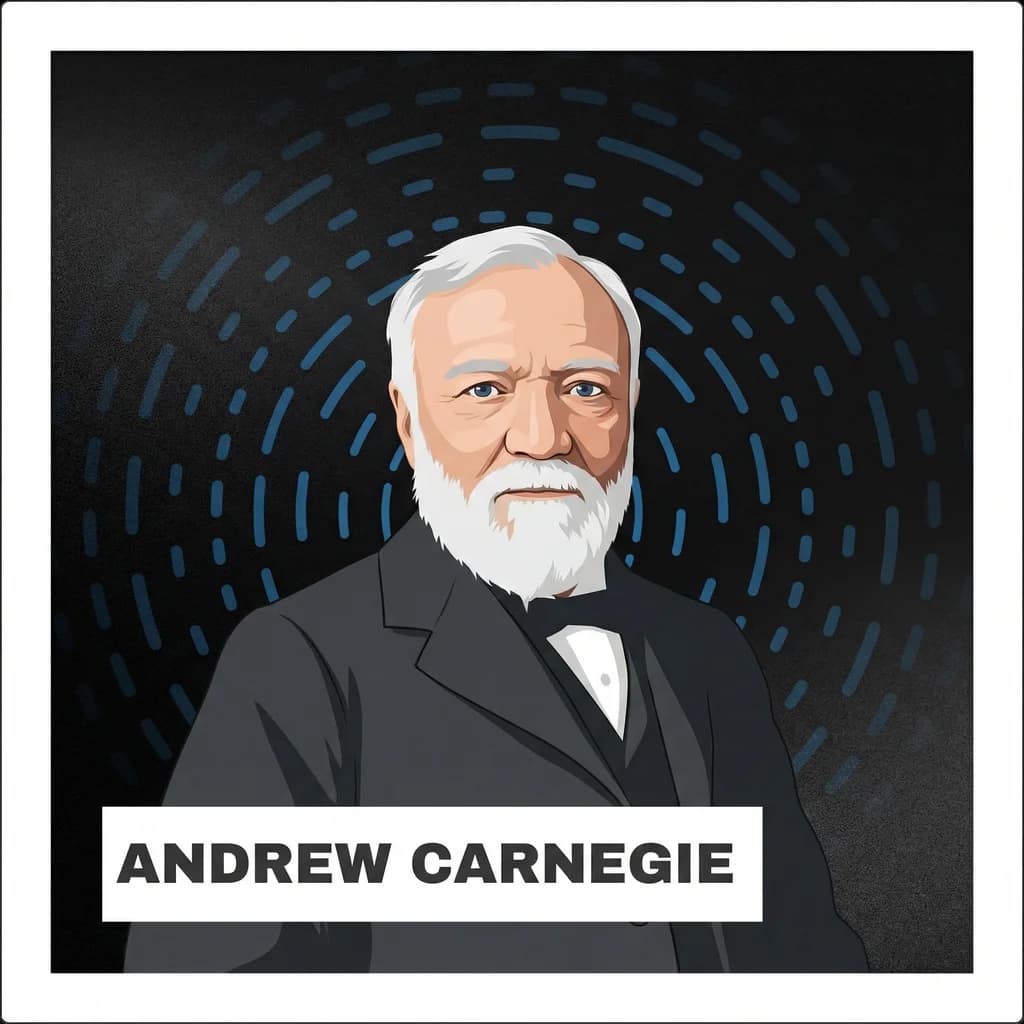
Alexander the GreatJulius CaesarAugustusGenghis KhanNapoleon BonaparteOtto von BismarckLyndon B. JohnsonTokugawa IeyasuDeng XiaopingBoudicaIsaac NewtonLee Kuan YewJohn D. RockefellerAndrew CarnegieSteve JobsElon MuskHannibal BarcaDeborahJudithElizabeth I
02
Domineering control
Micromanages, cannot delegate, crushes dissent
14 of 38 winners score 4–5
Otto von BismarckLee Kuan YewSteve JobsMargaret ThatcherAugustusIsaac NewtonNapoleon BonaparteThomas Alva EdisonElon MuskIvar KreugerSamuel InsullMahatma GandhiLyndon B. JohnsonDeng XiaopingElizabeth IMae West
03
Emotional coldness
Distant or neglectful toward family and intimates
10 of 38 winners score 4–5
Albert EinsteinSteve JobsTokugawa IeyasuAugustusIsaac NewtonBenjamin FranklinNapoleon BonaparteThomas Alva EdisonElon MuskCato the YoungerIvar KreugerMahatma Gandhi
04
Volatility
Rages, tantrums, cruelty in private dealings
9 of 38 winners score 4–5
Alexander the GreatOtto von BismarckSteve JobsLyndon B. JohnsonIsaac NewtonElon MuskCato the YoungerElizabeth IJane Welsh CarlyleLBLady Pamela Berry
05
Vanity
Hunger for glory, flattery and monuments
9 of 38 winners score 4–5
Mae WestAlexander the GreatJulius CaesarNapoleon BonaparteWinston ChurchillAndrew CarnegieIvar KreugerSamuel InsullFrederick DouglassLyndon B. JohnsonElizabeth I
Part VII — Acts of Agency
Acts of agency
The moments when one person moved events, in order of birth. Two defining acts per life.
c. 1100 BCE
Deborah
Holding court under the palm
A woman in a patriarchal society, she sat in a fixed, public place and judged. "She judged Israel at that time." Alter notes the Hebrew calls her not simply "prophetess" but "prophet-woman," a phrasing that "highlights the prominence of woman vis-à-vis man."
Summoning Barak
"She sent and called Barak the son of Abinoam out of Kedeshnaphtali," and gave him a complete plan in God's name: muster at Tabor with ten thousand men of Naphtali and Zebulun, and "I will draw unto thee to the river Kishon Sisera... and I will deliver him into thine hand."
Legendary
Judith
Summoning the Magistrates
She summoned the three elders and told them their oath was impious: "how can ye search out God... and know his mind?" Ozias agreed with every word, still pleaded that the people "compelled us," and told her: "pray thou for us, because thou art a godly woman." Moore hears "polite but ironic condescension" in that line.
Walking Into the Enemy Camp
She "pulled off the sackcloth," anointed herself, put on the clothes she had worn as a wife, and "decked herself bravely, to allure the eyes of all men that should see her." Her maid carried her own food so she would never eat the enemy's.
356-323 BC
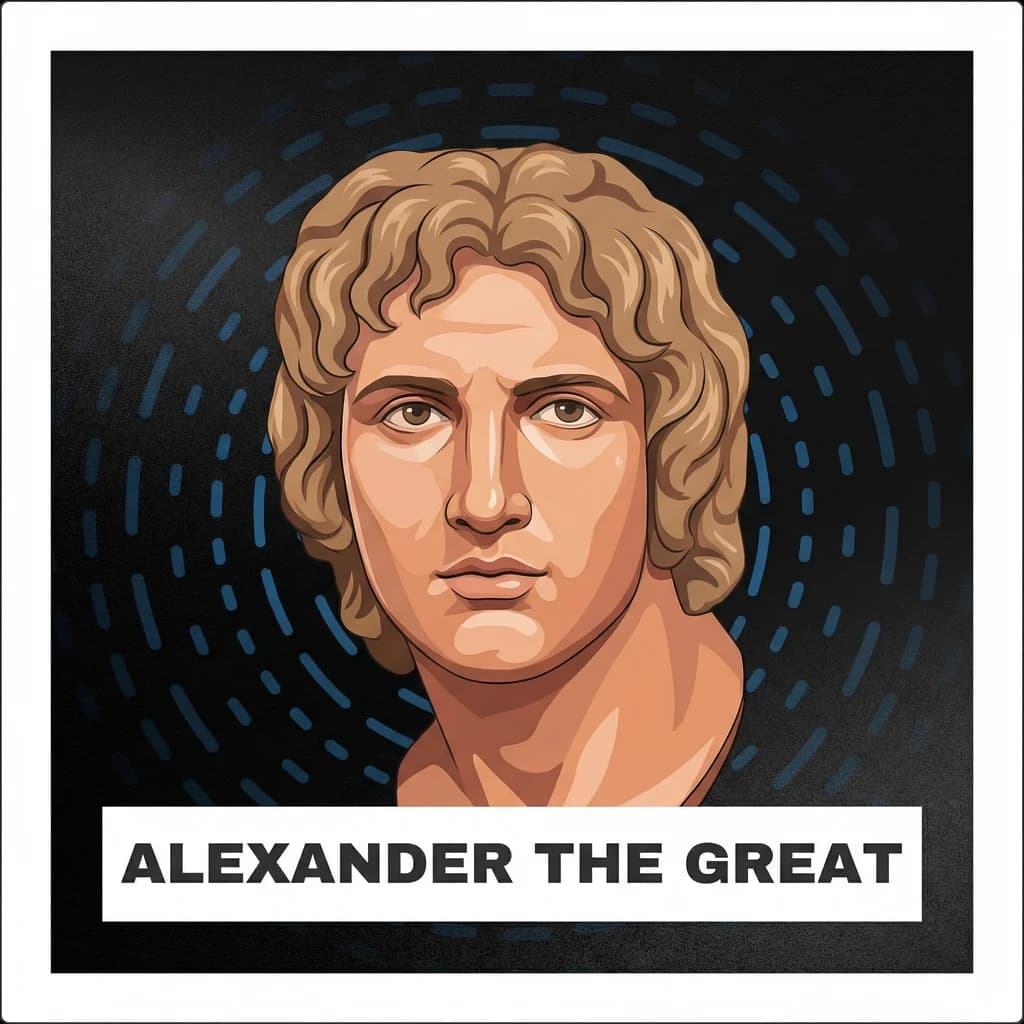
Alexander the Great
Seizing the Throne and Razing Thebes (336-335 BC)
He "rejected this counsel as weak and timorous," judging it wiser "to secure himself by resolution and magnanimity, than, by seeming to truckle to any, to encourage all to trample on him." He marched to the Danube and crushed the Triballians.
Mortgaging the Kingdom to Invade Asia (334 BC)
Before sailing he gave away "almost all the property of the crown," an estate to one friend, a village to another, keeping only "My hopes!" At the Granicus he brushed aside the calendar by renaming the month, told Parmenio "that he should disgrace the Hellespont should he fear the Granicus," and "immediately took the river with thirteen troops of horse"…
247-183 BC
Hannibal Barca
Defying Rome over Saguntum (220-219 BC)
He refused. He threw the Romans' talk of fides back at them and dismissed the envoys, who sailed on to Carthage. He had resources no Carthaginian general had held before: "60,000 infantry, 8,000 cavalry and 200 elephants," and a mine at Baebelo said to yield "135 kilograms of silver a day." He besieged Saguntum for eight months and was wounded in the thigh.
Over the Alps (218 BC)
Hannibal chose to carry the war overland into Italy "without any promise of support or reinforcement". Miles calls the route "born as much from a lack of viable alternatives as from buccaneering endeavour." He left his brother Hasdrubal in Spain and fought his way over the Pyrenees, leaving 11,000 men to hold the passes.
100-44 BC
Julius Caesar
Defying the Dictator Sulla
"Caesar was the only man to refuse, and to persist in that refusal in spite of threats and offers of favours, quite possibly including a marriage link to the dictator's family." Sulla confiscated Cornelia's dowry and stripped Caesar of his priesthood, and orders went out for his arrest.
The All-or-Nothing Bet on Pontifex Maximus
Catulus, worried, offered Caesar "a considerable sum of money on condition that he withdrew." A cautious debtor would have taken the money. "Caesar interpreted this as a sign of weakness and immediately took out new loans to have more to spend on wooing the tribes."
95-46 BC
Cato the Younger
Taking Over the Treasury and Billing Sulla's Killers
"In his first act," Cato "summarily fired all clerks and assistants whom he judged unfit for office or guilty of corruption," and tutored the ones who had erred out of ignorance. When Catulus got down on his knees in court for a guilty clerk, Cato cut him off: "It would be a shameful thing, Catulus, if you, the censor, who scrutinizes our lives, were…
Demanding Death for the Catilinarians, Against Caesar's Mercy
Cato, only a tribune-elect, answered him. He called Caesar's mercy naive, argued that the conspirators' friends would spring them from custody, and turned Caesar's appeal to the ancestors back on him. When a note was passed to Caesar, Cato demanded he read it aloud as evidence of treason.
63 BC-AD 14
Augustus
Taking the Name "Caesar" at Eighteen
"All his life, Octavius had been risk-averse; now he acted without hesitation." He wrote back to Philippus refusing his advice and, according to Nicolaus, said he "already had his eyes on great things and was full of confidence." He would accept the legacy, avenge his father and succeed to his power.
Raising a Private Army and Seizing the Consulship
Telling even his mother only that he was selling property, he went to Caesar's veteran colonies in Campania and offered every soldier 2,000 sesterces, "more than twice his annual pay." More than 3,000 men joined him.
d. AD 60/61
Boudica
Refusing the Client's Bargain
She chose war against the most powerful army in the world, on behalf of a people that had already lost one revolt. Tacitus gives the motive as collective: the Iceni were "roused by these insults and the dread of worse, reduced as they now were into the condition of a province," and "they flew to arms."
Joining Two Tribes and Striking While the Governor Was Away
The rising was planned in secret and launched at the moment the province was emptiest. The Agricola puts the conspirators' reasoning in their mouths: "The most difficult point, assembling for the purpose of deliberation, was already accomplished; and there was always more danger from the discovery of designs like these, than from their execution."
121-180
Marcus Aurelius
Turning Philosophy from a Subject into a Life
In his mid-twenties Marcus turned away from all of it. He told Fronto that Aristo's books were "a joy for me and at the same time a torture," because they showed him "to what extent my inner dispositions are distant from these better things... at the age of twenty-five, I have not yet assimilated into my soul any of the salutary dogmas."
Waiting Twenty-Three Years Without Reaching for the Throne
Marcus chose apprenticeship over impatience. "In the twenty-three years of Antoninus's reign Marcus spent just two nights away from him." He watched Antoninus receive embassies, try cases and dictate letters.
c. 1162-1227
Genghis Khan
Killing Begter
Temujin, then about thirteen or fourteen, tore aside the door-curtain (an offensive gesture) and went hunting his brother with Khasar. They came at Begter from front and back. Begter did not run. He sat cross-legged and said, "If I must die, then let me die. But do not discard my Belgutei." They shot him dead.
Choosing to Fight for Borte
He first gave thanks to the mountain, with his belt around his neck and his hat in his hand, kneeling nine times. Then he went to the Ong Khan, reminded him of the sable coat, and asked, "How, I wonder, will the Khan my 'father' rescue and restore to me my wife?"
c. 1412-1431
Joan of Arc
Leaving Domremy and Breaking Baudricourt
She lied to get away. She told her uncle Durand Laxart she would stay with him a while, and by one account told her father she was going to help Laxart's wife "at her confinement." She left without permission: "Since God commanded it, had I had a hundred fathers and a hundred mothers, had I been a King's daughter, I should have departed."
Winning the Dauphin and Outlasting Poitiers
At Chinon "I knew him among the others by the counsel of my voice which revealed him to me." Pasquerel heard from her that she said, "I tell thee, on behalf of Messire, that thou art true heir of France and King's son," and Charles told those present that she had told him "certain secrets that none knew or could know, excepting only God."
1452-1519
Leonardo da Vinci
Leaving Florence and selling himself as a war engineer (1482)
He went to Milan, first as a diplomatic gift from Lorenzo de' Medici carrying a silver lyre shaped like a horse's skull, and then wrote Ludovico Sforza a job application that mostly advertised skills he did not have.
Fighting to keep the horse, then trying to cast it in one piece (1489-1494)
Leonardo fought back with a publicity campaign. He asked friends, among them the humanist poet Piattino Piatti, for verses praising the project, and Piatti admitted "the same request was made by the same artist to many others." Having kept the job, he chose the harder engineering route.
1533-1603
Elizabeth I
Outlasting Tyrwhitt (1549)
She did not panic and she did not confess. Tyrwhitt tried flattery, threats and a sympathetic lady-in-waiting. She wept and called Parry a "false wretch," but admitted only to gossip and to talk about her estates, and insisted that she would "never...
Writing for Her Life: The Tide Letter and the Tower (1554)
The escorting lords told her that "time and tide" waited for no one. She begged leave to write to her sister, and the Earl of Sussex relented. She opened with King John of France's saying "that a king's word was more than another man's oath," reminded Mary of her promise that she would not be condemned unheard, and pleaded not to be sent to "a place more…
1537-1554
Lady Jane Grey
Choosing a Side Against the Heir: The Host and the Gown (c. 1549-1552)
Jane did the opposite. When Mary's servant Lady Anne Wharton genuflected to the Host at Beaulieu, Jane "asked sarcastically whether 'the Lady Mary were there or not?'" Told the curtsey was "to Him that made us all," she retorted: "how can He be there that made us all, [when] the baker made him?"
Slipping Out of Durham House (May-June 1553)
"Jane, however, was not the kind of person to blandly accept an order she did not like, so she crept out of Durham House and took a boat down the Thames, home to Suffolk Place." There her father, "furious that her mother was being passed over," worked out with her that "when the time came... and Jane was Queen she could deny Guildford the crown."
1542-1616
Tokugawa Ieyasu
Breaking Free After Okehazama, 1560-1562
He did neither at once. Urged to withdraw, he refused until a runner confirmed the death, "because if the news should be false and Yoshimoto still be alive, it would not look at all well." He then camped at a temple outside Okazaki rather than enter while the Imagawa garrison was still inside, "for...
Ordering the Deaths of His Wife and Eldest Son, 1579
He "reproached Tadatsugu with not having known how to lie to save his son," but "did not think it politic to break with Nobunaga, and so consented." When Nobuyasu's tutor offered to die in the young man's place, Ieyasu refused, because "Nobunaga would not be satisfied... and that would mean the sacrifice of two valuable lives instead of one."
1542-1587
Mary, Queen of Scots
Going Home, and Choosing the "Middle Way"
"She reviewed her options and decided to return to Scotland. Her mind was made up within a month." She refused Lesley's plan, "a recipe for civil war," and after five days with her Protestant half-brother Lord James agreed to keep the religious status quo in exchange for her own private Mass.
Marrying Darnley in Defiance of Elizabeth
"To answer me with nothing," she told Randolph, "I find great fault." She sent Maitland to London with an ultimatum disguised as a mission to France, secured Spanish and French acquiescence, isolated Moray, and bought Morton by settling his claim to the Angus estates.
1642-1727
Isaac Newton
Turning the plague years into a private apprenticeship (1664-1666)
Newton had already started teaching himself. A book of astrology bought at Stourbridge Fair stumped him with its trigonometry, so he bought Euclid, then Descartes, Schooten, Oughtred and Wallis, working through them alone.
Staking his name on a new theory of light (1672), then retreating from the public
Newton promised Oldenburg "the oddest if not the most considerable detection which hath hitherto been made in the operations of Nature." In February 1672 he sent a letter that told the story of his experimentum crucis: a single coloured beam passed through a second prism stayed the same colour, so "Light consists of Rays differently refrangible" and…
1706-1790
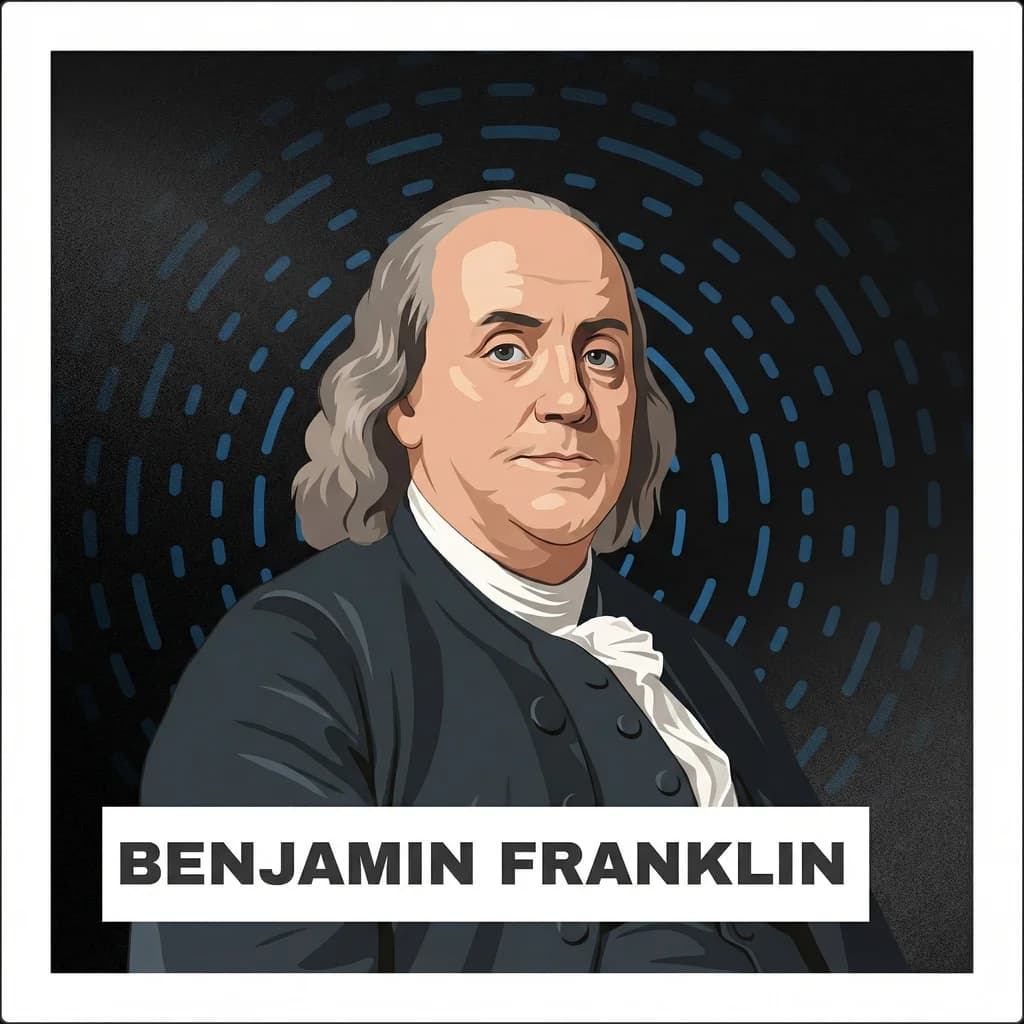
Benjamin Franklin
Defying Apprenticeship
At seventeen he turned his brother's ruse against him: "I took upon me to assert my freedom, presuming that he would not venture to produce the new indentures." He is frank about the ethics: "It was not fair in me to take this advantage, and this I therefore reckon one of the first errata of my life; but the unfairness of it weighed little with me, when…
Compromise at the Constitutional Convention
He gave up his own preference and made himself the Convention's broker. On June 11 he had a colleague read his warning: "Declarations of a fixed opinion, and of determined resolution never to change it, neither enlighten nor convince us." And: "Positiveness and warmth on one side, naturally beget their like on the other."
1732-1799
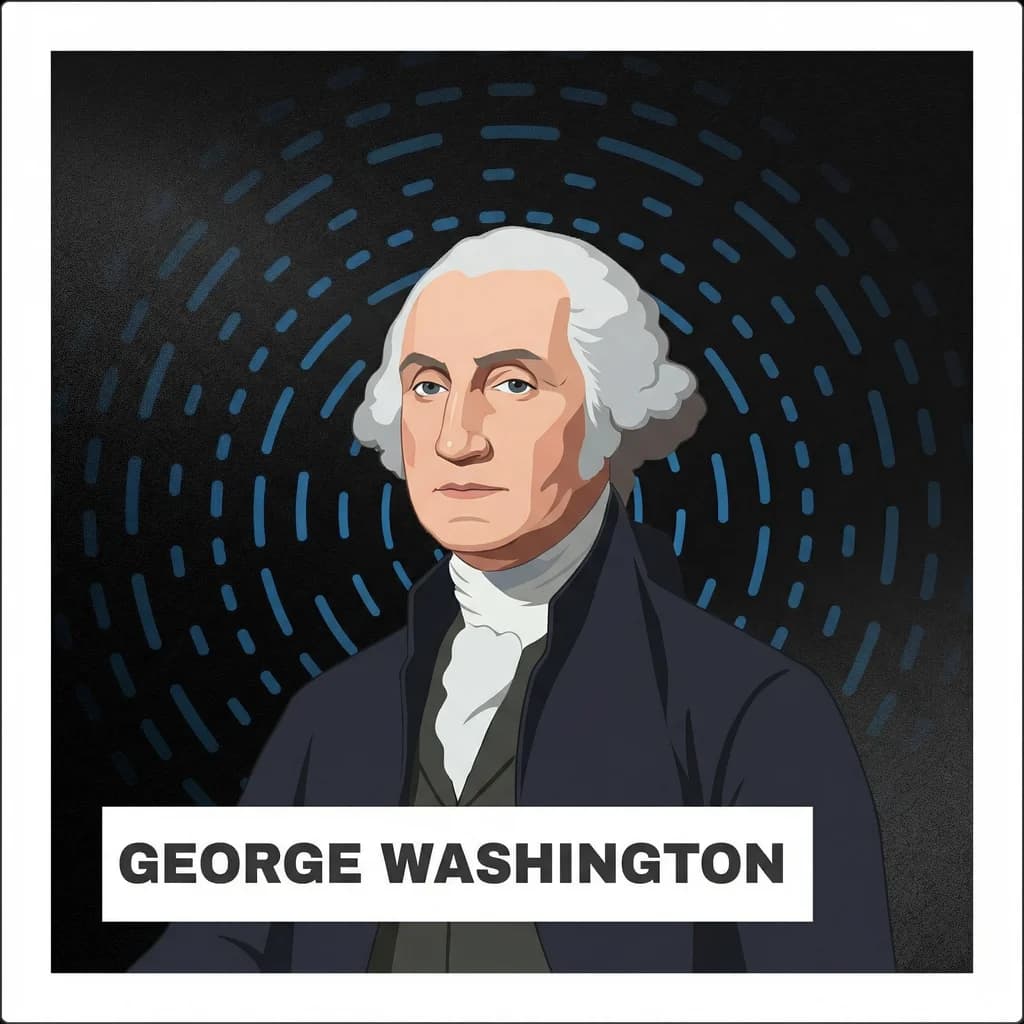
George Washington
Breaking the Chains of Cary & Company
Starting in 1766 Washington abandoned tobacco as his Mount Vernon cash crop, "one of the first of the major Virginia planters to make the change." He switched to wheat, built his own mill to grind it into flour and sold the flour in Alexandria and Norfolk.
Accepting Command of a Cause He Thought Might Fail
He came to Congress as its only member in uniform, accepted unanimous election and refused a salary. He told the delegates: "I beg it may be remembered by every Gentn in the room, that I this day declare with the utmost sincerity, I do not think myself equal to the Command I (am) honoured with."
1769-1821
Napoleon Bonaparte
Seizing the Heights at Toulon
Given command of the artillery, he fixed on the promontory of L'Eguillette. "To become master of the harbour," he told the war minister, "one must become master of the Eguillette." Saliceti and Gasparin reported that "Bonna Parte" was "the only officer of artillery who knows anything of his duty, and he has too much work."
Firing on Paris: 13 Vendémiaire
Appointed second-in-command of the Army of the Interior by Barras, he prepared to use grapeshot, which had never before been used on civilians in Paris and was "testament to Napoleon's ruthlessness." With 4,500 troops and about 1,500 auxiliaries, he waited until the Sections fired first and then "unleashed a devastating artillery response."
1801-1866
Jane Welsh Carlyle
Refusing, Then Marrying the Genius (1821-1826)
She kept him at a distance on her own terms for five years, as a correspondent and tutor. She was candid about what drew her: "your eloquence awoke in my soul the slumbering admirations and ambitions that His first kindled there", meaning her father's.
Making the Desert Blossom: Craigenputtoch (1828-1834)
She made the best of it and ran the place. In 1828 she wrote cheerfully that "instead of shopping and making calls I have bread to bake and chickens to hatch". She taught herself to cook and sew.
1809-1865
Abraham Lincoln
Teaching Himself the Law, Alone
He "studied with nobody." He borrowed law books from John Todd Stuart, a friend from the Black Hawk War, and buried himself in Blackstone's Commentaries, Chitty's Pleadings, Greenleaf's Evidence and Story's Equity Jurisprudence, reading "far into the night" after a day at one of his jobs, often on a "wooded knoll" outside town.
Giving His Senate Seat to Trumbull
Lincoln told his floor manager, Stephen Logan, to drop him and switch to Trumbull. Logan protested the injustice. Lincoln was adamant: "you will lose both Trumbull and myself and I think the cause in this case is to be preferred to men." Logan rose and, in a sad voice, released the Whigs; Trumbull won with 51.
1815-1898
Otto von Bismarck
Taking Office Against Parliament (September 1862)
When Roon's telegram "Periculum in mora. Dépêchez-vous" reached him, Bismarck came. At Babelsberg on 22 September the King showed him the abdication document and asked whether he would push the army reorganization "in opposition to the majority in parliament and its resolutions."
Ruling Without a Budget, Then Asking Forgiveness (1862-1866)
Bismarck did neither. He announced that where the constitution left "a 'hole'," residual powers remained with the Crown, so that the government could "collect taxes and make expenditures, even if the legislature refused to approve such acts."
1818-1895
Frederick Douglass
Stealing Literacy
He set out "with high hope, and a fixed purpose, at whatever cost of trouble, to learn how to read". He always carried a book on errands, "going one part of my errand quickly" to steal a lesson, and traded bread for reading lessons.
Fighting Covey
On Monday morning Covey caught him coming down from the loft and tried to tie his legs. "At this moment—from whence came the spirit I don't know—I resolved to fight". He seized Covey by the throat, drew blood with his fingernails, kicked the hired man Hughes "close under the ribs," and when Covey asked whether he meant to persist, said he did, "come what…
1830-1886
Emily Dickinson
Standing Alone in Rebellion (1847-1850)
She would not profess what she did not feel. From Mount Holyoke she wrote that she regretted "that I did not give up and become a Christian ... but it is hard for me to give up the world," and to Abiah Root, "I feel that the world holds a predominant place in my affections."
Binding the Fascicles (about 1858-1865)
"About 1858, according to the best estimates, she began to assemble her poems into groups, averaging about eighteen to twenty each, which she carefully bound by threading the folded sheets, four or five sheets to each group."
1835-1919
Andrew Carnegie
Running the Division in Scott's Name
"'Death or Westminster Abbey,' flashed across my mind. I knew it was dismissal, disgrace, perhaps criminal punishment for me if I erred." Carnegie "gave the orders in his name, started every train, sat at the instrument watching every tick," and had the line running smoothly by the time Scott arrived.
Leaving the Salary for Insider Capitalism
He declined. He told Thomson "that I was determined to make a fortune and I saw no means of doing this honestly at any salary the railroad company could afford to give, and I would not do it by indirection." He resigned on March 28, 1865. "Thenceforth I never worked for a salary.
1839-1937
John D. Rockefeller
The Six-Week Job Hunt and "Job Day" (1855)
He targeted only firms with high credit ratings: "I went to the railroads, to the banks, to the wholesale merchants. I did not go to any small establishments… I was after something big."
Buying Out the Clarks at Auction (1865)
He privately asked Sam Andrews, "Suppose I succeed in buying them out. Will you come in with me?" and sounded out sympathetic bankers. When the Clarks next threatened dissolution, he got each partner to say publicly that he favored it, then "raced to the office of the Cleveland Leader" to announce the dissolution in the morning paper.
1847-1931
Thomas Alva Edison
Quitting Western Union to invent full-time at twenty-two
After a year in Boston, Edison "took the big step and quit his day job, which happened to be a night job, resigning his position at Western Union to try to make his living as a full-time inventor and manufacturer".
Selling the quadruplex to Jay Gould
While Orton was away in Chicago, Western Union's disaffected superintendent, General Eckert, brought Jay Gould to Edison's Newark shop. A week later Edison was taken to Gould's house: "we went by the servant's entrance as Eckert probably feared that he was watched. Gould started in at once and asked me how much I wanted.
1858-1919
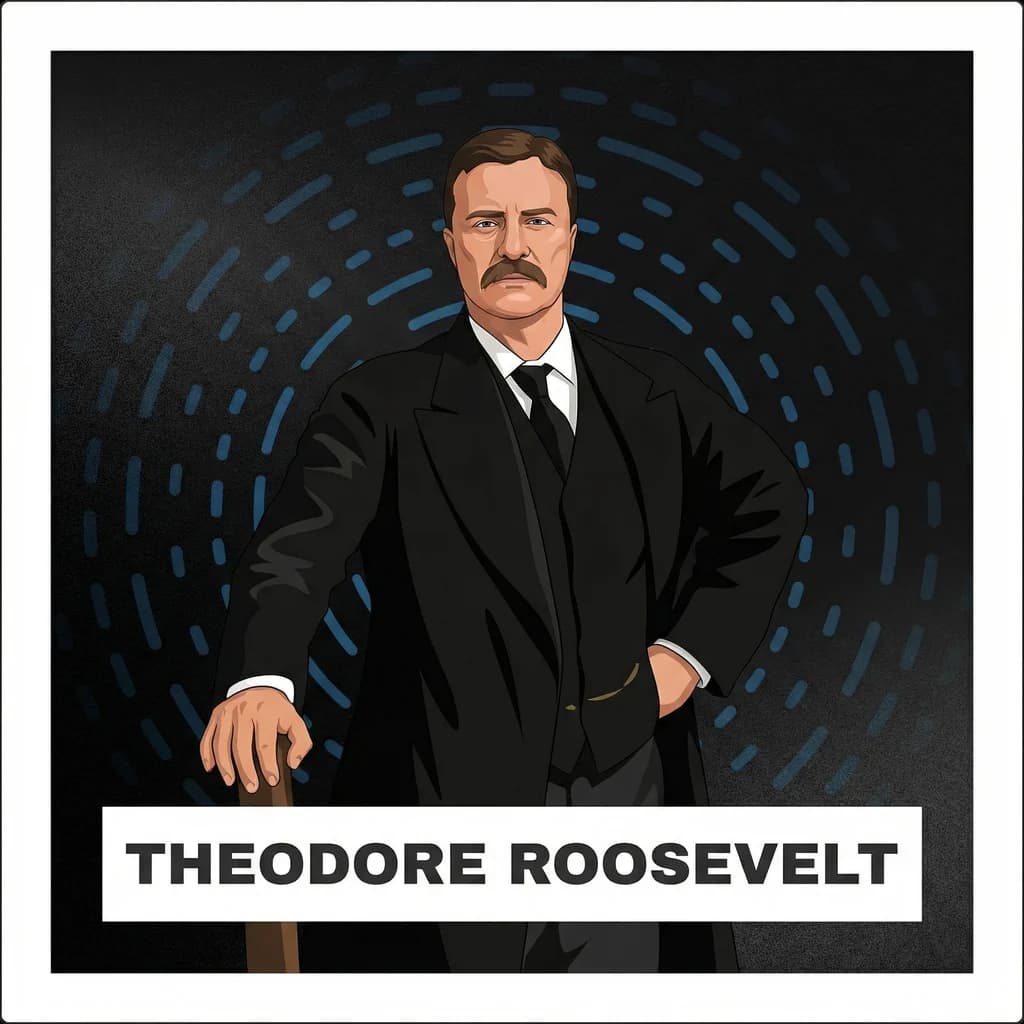
Theodore Roosevelt
Joining "the Governing Class" at Morton Hall
He answered "that if this were so it merely meant that the people I knew did not belong to the governing class, and that the other people did—and that I intended to be one of the governing class."
Riding Away from the Double Death into the Badlands
He left his infant daughter with his sister and staked his future on the Little Missouri. Less than three weeks after the funeral he had summoned the Maine backwoodsmen Bill Sewall and Wilmot Dow to run a ranch, guaranteeing them "a share of anything made" and promising that if anything was lost "he would lose it and pay our wages."
1859-1938
Samuel Insull
Walking Out at Noon, and Talking His Way to Edison (1879-1881)
"Well, it's half past eleven. I will stay until 12 noon, then I will be going and I shall not be back." He already had part-time secretarial jobs with a newspaper publisher, the editor of Vanity Fair and a member of Parliament, and he answered an advertisement for a secretary to Edison's London agent. There he made himself indispensable.
"Make It Go": Building Schenectady (1886-1892)
Edison sent him back: "Now you go back up there and run the institution, and whatever you do Sammy, make it either a brilliant success of it or a brilliant failure. Just do something. Make it go." Insull, whose engineering was weak but whose accounting was strong, worked with Kruesi to "develop manufacturing methods of the most economical character."
1869-1948
Mahatma Gandhi
Staying to fight: Pietermaritzburg and the Natal Indian Congress (1893-94)
In the waiting room he reasoned that "it would be cowardice to run back to India without fulfilling my obligation. The hardship... was superficial, — only a symptom of the deep disease of colour prejudice. I should try, if possible, to root out the disease and suffer hardships in the process." He went on to Pretoria.
Going to jail: the Transvaal satyagraha and the Smuts settlement (1906-14)
At the Empire Theatre in Johannesburg on 11 September 1906 the Indians resolved to defy the law and go to jail, with Gandhi saying "the responsibility for advising them to go to prison was his."
1874-1965
Winston Churchill
Building His Own University in Bangalore
In the winter of 1896, "when I had almost completed my twenty-second year," the "desire for learning came upon me." He noticed he was using words he could not define, and that he could not answer simple questions about ethics or Socrates, so he "resolved to read history, philosophy, economics, and things like that" and wrote to his mother for "such books as…
Forcing His Way to Omdurman, Then Quitting the Army for the Pen
Churchill worked every channel he had. When Lord Salisbury, having read The Malakand Field Force, invited him to call and said, "If there is anything at any time that I can do which would be of assistance to you, pray do not fail to let me know," he acted on the offer within days.
1879-1955
Albert Einstein
Walking out of the Gymnasium and out of Germany (1894-1896)
He "worked out a plan." He got a letter from the family doctor, Max Talmud's older brother, certifying nervous exhaustion, left the school at the Christmas holiday of 1894, and took the train across the Alps to Italy. There he told his "alarmed" parents that he would never go back to Germany.
Revolutionising physics from a patent-office stool (1901-1905)
He took the job Marcel Grossmann's father helped him get, Technical Expert Class 3 at the Swiss Patent Office in Bern, "the lowest rank." When a colleague sneered at it, he told Mileva: "We couldn't care less about being on top!"
1880-1932
Ivar Kreuger
Talking His Way into a Partnership and Selling Deadlines (1908-1912)
He met Julius Kahn, inventor of the "Kahn Iron" used in reinforced concrete, and learned that Kahn had given the Swedish engineer Paul Toll the European rights. Kreuger "persuaded Kahn to recommend that Toll take Ivar on as a partner," then sailed to England and persuaded Toll.
Building Swedish Match in Wartime (1913-1917)
"Ivar took the long view." Using loans from Rydbeck's bank, he bought factories across Sweden, integrated backwards into machinery, potash, phosphorus, aspen and paper mills, and sold to Germany "which no one else would do." With rivals he was simple: "sell to him or be ruined."
1893-1980
Mae West
Writing *Sex* Herself
Her mother told her that "There's only one person in the world who can write the best play for you: 'You!'" She drafted a waterfront prostitute's story "on any scrap of paper around," with Leitzbach uncredited. Louvish finds that it did not start from nothing. In 1924 Timony had obtained a one-act play by J. J.
Choosing the Workhouse and Making It an Advertisement
The sources disagree on what choice she had. In Chandler, West says the sentence was "$500 or ten days" and that she chose prison: "I was told I could pay the fine and get out of going to jail, but I made up my own mind. I decided it would be more interesting to go to prison."
1904-1997
Deng Xiaoping
Choosing the party over a career (France and Moscow, 1920-1926)
He gave up on a diploma and "devoted himself to the radical cause." He quit Hutchinson a second time, "proudly informing the shop foreman of his 'refusal to work,'" and the company recorded that he "would not again be given work there."
Refusing to bless the Cultural Revolution (November 1975)
He dodged, carefully but unmistakably. After consulting Zhou, Ye Jianying and Chen Yun, and taking a line suggested by Ji Dengkui, he told the meeting: "During the Cultural Revolution.... I was in the Peach Blossom Grove. I didn't even know what happened in the Han dynasty, to say nothing of what followed later during the Wei and Jin dynasties."
1908-1973
Lyndon B. Johnson
Turning Social Clubs into Machines (San Marcos and the Little Congress)
He saw that "in the Depression, campus jobs, with their tiny cash stipends, represented the only means by which these young men could stay in school," and that whoever won campus politics could control those jobs.
Building a Money Machine (Brown & Root and KTBC)
He made Brown rich through federal contracts, including "lucrative 'change orders'" on the Marshall Ford Dam, and Brown "ordered up contributions from dozens of subcontractors" and gave from his own firm's funds, going "to the edge of the law and, some Internal Revenue Service agents were later to contend, over that edge into the realm of fraud in order to…
1914-1982
Lady Pamela Berry
From Ruin to the Telegraph Marriage (1930-1936)
She used the allowance to have a London "season" and made herself known. In 1931 she went to Paris to learn French. By that winter she was "quite the most interesting girl who has been going about in London lately", and by spring she had published her opinions in the Queen, posed as Récamier, and modelled in Chanel's salon.
Building the Salon (1945-1950s)
She set out to make entertaining "a vicarious way of engaging in public life" and pursued it "with voracious enthusiasm, what became highly professional skill and overwhelming success."
1918-2013
Nelson Mandela
Walking Out of Fort Hare and the Great Place
Mandela refused alone, arguing that "it would be morally incorrect to say that we enjoyed their confidence." He made up his mind only in Kerr's office: "at the moment I needed to compromise, I simply could not do so." Both books record a less heroic motive. His nephew K. D. Matanzima had urged him not to capitulate, and "I think at the time I feared K.D.
Turning the ANC to Armed Struggle
When the stay-at-home fell short, he told the press that "we are closing a chapter on this question of a nonviolent policy," before the executive had discussed it: "sometimes one must go public with an idea to push a reluctant organization in the direction you want it to go."
1923-2015
Lee Kuan Yew
Riding the Communist Tiger: Founding the PAP with the Left (1954)
He brought the communists' own mass leaders inside his new party. When two young bus-union organisers, Lim Chin Siong and Fong Swee Suan, came to his house on Oxley Road, he saw "the kind of lieutenants we had been searching for" and made Fong a convenor of the People's Action Party (PAP), launched on 21 November 1954.
Breaking the Communists (1958-1963)
He moved on several fronts at once. He rewrote the party constitution on the model of a papal conclave so that only cadres approved by the central committee could elect that committee: "This closed the circuit... the party could not now be captured."
1925-2013
Margaret Thatcher
Standing Against Heath (1974-75)
On 21 November 1974 Joseph withdrew, telling her that the press had been "merciless" since his Edgbaston speech. She recalled: "I heard myself saying: 'Look, Keith, if you're not going to stand, I will, because someone who represents our viewpoint has to stand.'" Moore shows that this was "a formality: she had already decided to stand.
Holding the Course (1980-81)
At the 1980 conference she said: "You turn if you want to. The lady's not for turning." In March 1981 she backed Geoffrey Howe's harsh Budget against most of her Cabinet. In Cabinet, Gilmour called it a "political disaster," and Carrington said: "We've been doing this for two years, and it doesn't seem to be working."
1926-1962
Marilyn Monroe
Remaking Norma Jeane (1944-1946)
An army photographer told her, in Johnson's words, "You were born to be married to the camera." On August 2, 1945, she signed with Emmeline Snively's Blue Book Agency, paid for its classes against her first job, bleached her brown hair to gold at Snively's urging, and by spring 1946 had appeared on "no less than thirty-three covers."
Paying for Her Own Training (1947-1952)
She spent her money on lessons. She told the Carrolls that she put everything "into classes, rent and auto maintenance," and studied Odets and the Group Theatre repertoire at the Actors Lab. "All I could think of was this far, far away place called New York," she recalled. "I had never seen a play, and I don't think I knew how to read one very well."
1955-2011
Steve Jobs
Turning a Circuit Board into a Company
Jobs sold the idea as an adventure, not a sure thing: "Even if we lose our money, we'll have a company... For once in our lives, we'll have a company." He sold his Volkswagen bus for $1,500 and Wozniak sold his HP 65 calculator.
Recruiting Sculley, Then Trying to Oust Him
On a balcony overlooking Central Park, Jobs delivered the line that "would haunt me for days," Sculley recalled: "Do you want to spend the rest of your life selling sugared water, or do you want a chance to change the world?" Sculley "felt as if he had been punched in the stomach."
1971-
Elon Musk
Leaving South Africa alone at seventeen
"So then I was like, 'Well, I'm just going to go by myself.'" A claim to U.S. citizenship through his mother failed, so he went to the Canadian consulate alone and filled out passport forms for himself, his mother, brother and sister, but not his father. "When I was seventeen, I got my Canadian passport. Three weeks later I was in Canada...
Abandoning the Stanford PhD for Zip2
He enrolled and immediately deferred, telling his professor, "I will probably fail, and if so I would like to come back". With Kimbal he built what he calls "the first map and directions on the internet": "The whole initial code base I wrote myself because there wasn't anyone else."
Part VIII — The Maxims
Rules they lived by
One lesson from each life, distilled from what they actually did.
“Look for what spooks the horse”
Everyone else at Philip's trial saw an unmanageable animal; Alexander saw a horse afraid of its shadow and turned it to the sun. Before you give up on something wild, find the one thing frightening it. See "Taming Bucephalus".
— Alexander the Great
“Name a higher ransom than they ask”
Caesar laughed at the pirates' 20 talents and insisted he was worth 50. It was a joke, but it also set the terms for the whole relationship: captives are priced, and he did not see himself as one.
— Julius Caesar
“Take the dangerous name before anyone can refuse it to you”
At eighteen, against his stepfather's advice, he took the name Caesar and the risks that came with it. Antony's sneer that he was "a boy who owes everything to his name" missed the point: the name was the asset, and he made sure to use it at once.
— Augustus
“Expect difficult people before breakfast”
Every morning Marcus predicted he would meet the "meddling, ungrateful, arrogant, dishonest, jealous, and surly," and reminded himself that they acted "because they can't tell good from evil."
— Marcus Aurelius
“Judge men by what they did for you, not their bone”
The Tayichiud, his own kin, abandoned him, while a Suldus servant's family risked death to hide him. Weatherford traces his "revolutionary" habit of judging by actions straight to that wool cart, and he gave his first high offices to Bo'orchu and Jelme rather…
— Genghis Khan
“Put the woodpecker's tongue on your list”
Leonardo's to-do lists mixed useful items ("Draw Milan") with ones that seemed pointless ("Describe the tongue of the woodpecker"), and the pointless ones often led somewhere.
— Leonardo da Vinci
“Keep the problem before you until it dawns”
Asked how he found universal gravitation, Newton said, "By thinking on it continually." His method was to "keep the subject constantly before me and wait 'till the first dawnings open slowly, by little and little, into a full and clear light."
— Isaac Newton
“Your allergy to authority is your greatest compass”
Franklin traced his lifelong "aversion to arbitrary power" to his brother's "harsh and tyrannical treatment," and at sixteen had his first persona declare herself "a mortal enemy to arbitrary government and unlimited power."
— Benjamin Franklin
“Stay puzzled by what grown-ups stop noticing”
Einstein thought he discovered relativity because he was still wondering about space and time as an adult, when "the ordinary adult never bothers his head" about them. The compass kept its hold on him for seventy years. See "The compass in the sickbed."
— Albert Einstein
“Master yourself first; the army will follow”
Gouverneur Morris said Washington's "first contest" was with his "tumultuous passions" and "his first victory was over himself." The same man who hit officers at Kip's Bay later let the Newburgh plot die with a quiet joke about his eyesight.
— George Washington
“Read the great captains until they feel like peers”
He read Plutarch and Arrian at Brienne and skipped meals for books at Valence, and he told his officers to "read and re-read the campaigns of Alexander... This is the only way to become a great captain."
— Napoleon Bonaparte
“Build your own college from borrowed books”
With less than a year of schooling, Lincoln turned borrowed Bibles, Aesop, Blackstone and Euclid into a complete education, copying passages onto boards and reading at the end of each plough row.
— Abraham Lincoln
Show all 44 maximsShow fewer
“Out-savage the savages, then take off the costume”
At Göttingen he won the best duelling club by insulting all its leaders and cutting them up, then told Motley in private that he had to be "ten times as extravagant and savage as any one else."
— Otto von Bismarck
“Make your body; nobody will make it for you”
His father told him, "It is hard drudgery to make one's body, but I know you will do it," and he answered, "I'll make my body." Years at the bars and three slow years of boxing made him "hard to hurt and harder to stop." See "I'll Make My Body."
— Theodore Roosevelt
“Learn what grips you; let the rest go”
Churchill could not or would not learn Latin, but he absorbed English so thoroughly that when his prize-winning classmates "had to come down again to common English, to earn their living or make their way, I did not feel myself at any disadvantage."
— Winston Churchill
“Learn from whoever holds the gun”
Lee took his political education from the occupier, not the lecture hall: "I had not yet read Mao's dictum that 'power grows out of the barrel of a gun', but I knew" it from the Kempeitai.
— Lee Kuan Yew
“Keep your own Ledger A”
He recorded every cent he earned, spent and gave from age sixteen, and kept the book in a safe-deposit vault "like some priceless heirloom." Its strictest use was on himself: it records a regretted $2.50 for gloves and charity above 10 percent by age twenty.
— John D. Rockefeller
“Don't wait for authority; show your work afterward”
Carnegie ran every train on the division in Scott's name, then laid out "the position of every train on the line" when Scott arrived. Scott's private verdict ("that little white-haired Scotch devil of mine") made Carnegie's career.
— Andrew Carnegie
“Invent what someone will pay for”
His first patent, a vote recorder, worked perfectly and sold to no one, because legislators wanted time to lobby. Edison concluded that invention "should be shaped by commercial needs," and he later urged others to make things "that would come into universal…
— Thomas Alva Edison
“Sand the back of the fence nobody sees”
Paul Jobs finished the hidden side of his fence, and his son made the Mac's circuit board beautiful and engraved his team's signatures inside the case. "You'll know it's there." See "The Back of the Fence." [Isaacson, "Childhood"] [Isaacson, "The Design"]
— Steve Jobs
“Question the requirement, and name who wrote it”
Musk would not accept "The military" or "The legal department" as the source of a specification. He demanded the name of the actual person, because "Requirements from smart people are the most dangerous, because people are less likely to question them...
— Elon Musk
“Attack the general's mind, not his army”
Polybius's summary of Hannibal's method is to look "not [at] the exposed parts of his body but the weaknesses in his mind." Sempronius's short term, Flaminius's wounded pride and the consuls' alternating days of command were the real targets at the Trebia…
— Hannibal Barca
“Make your refusals louder than others' acceptances”
Cato turned down decorations, campaign staff, horses, tunics and shoes, and each refusal won more attention than accepting would have.
— Cato the Younger
“Rehearse the entrance and plan the exit”
Kreuger scripted Berengaria down to "whom to meet first" and "always formed an exit plan," then left the champagne to let the impression "set, like a carefully baked soufflé." See "The Match King Who Does Not Carry a Match."
— Ivar Kreuger
“Walk out the hour your work is priced at zero”
Told a rich man's son would replace him for free, Insull left at noon rather than stay "a few weeks" on sufferance, and had better work within days. See "I Will Quit at Noon."
— Samuel Insull
“Learn most from what your oppressor forbids”
Hugh Auld's lecture to his wife, that reading would "forever unfit him to be a slave," gave the boy "the best assurance that I might rely with the utmost confidence on the results which, he said, would flow from teaching me to read".
— Frederick Douglass
“Defeat your opponent without dishonouring him”
A donkey threw the boy Mandela into a thornbush in front of his friends, and he learned how losing face hurts. Seventy years later he flattered his prosecutor Percy Yutar over lunch and prompted Verwoerd's widow in Afrikaans when she stumbled.
— Nelson Mandela
“Let the enemy trap himself in his own net”
At Champaran Gandhi met an order to leave with a written refusal, a guilty plea and scrupulous courtesy, and "according to the law I was to be on my trial, but truly speaking Government was to be on its trial."
— Mahatma Gandhi
“Find the lonely old man and become his son”
Evans, Wirtz, Rayburn, Roosevelt and Russell were all powerful men with no son or with a lonely private life, and Johnson filled that gap: Sunday breakfasts, baseball games, a kiss on Rayburn's bald head. He calculated it, but it was also returned.
— Lyndon B. Johnson
“Never trust to one string”
He always had an ally behind his enemy: the Imagawa against the Oda, Nobunaga against the Takeda, the Hōjō against Hideyoshi. Even while he was formally reconciled with Hideyoshi, he was dancing in a comic role at the Hōjō court to keep them close.
— Tokugawa Ieyasu
“Keep the needle, show the cotton”
Mao's advice to Deng in 1973 was to "hide the needle in the cotton," and Deng's colleagues "rarely sensed a ball of cotton." He dressed hard decisions in folksy proverbs and softened his manner for foreigners, but he never softened the decision itself.
— Deng Xiaoping
“Earn the court before you need the army”
Israel came "up to her for judgment" before it came to her for war, and Barak answered her summons because of that standing. See "The general who would not go alone."
— Deborah
“Don't let frightened men set God's deadline”
Ozias's five-day oath turned a crisis into a countdown to surrender. Judith told the elders that God "is not as man, that he may be threatened," and refused to let their timetable decide the city's fate. See "The Five-Day Oath." [Judith, 8:16; Judith, 7:30-31]
— Judith
“Make your wound your banner”
She came to the tribes as a flogged mother, not a claimant to a throne, "avenging... my scourged body, the outraged chastity of my daughters." See "The Will and the Lash."
— Boudica
“Ask the third time”
Baudricourt refused her twice and told her uncle to slap her and send her home. She went to Nancy, won over a squire and the town, and came back. "And the third time he received me and gave me men."
— Joan of Arc
“Read the book about dying before you need it”
At thirteen Jane was reading the Phaedo, Socrates' last conversation, for pleasure, and from infancy she had been taught the phrase "Learn to die…". When the time came, she was ready. See "The Phaedo in the Window."
— Lady Jane Grey
“Never sign what you have not read”
At fifteen she signed secret deeds handing Scotland to France, "illegal by Scots law," because she trusted her uncles. Guy says she "might well have been prepared to sign documents presented to her without studying them properly."
— Mary, Queen of Scots
“Say nothing that can hang you”
At fifteen she gave Tyrwhitt nothing but tears, and at twenty she told the Council she could not remember owning Donnington. Both times the only evidence against her was her own mouth, and she kept it shut. See "Outlasting Tyrwhitt."
— Elizabeth I
“Bet your life on the genius you believe in”
She married a poor, sick, unknown writer against her mother's wishes and her own early "never, never!", because "a towering intellect to command me" was what she wanted. Johnson's summary is "she was right" (Act 1).
— Jane Welsh Carlyle
“Ask whether your work is alive, not whether it is liked”
Her first question to a stranger was "if my Verse is alive," and later, "Are these more orderly? I thank you for the Truth." She wanted to know if the work breathed and was true, not whether it would sell. See Act 3.
— Emily Dickinson
“Do it for its own sake, or don't do it”
"You have to do this thing for its own sake and because you like it. There's no other recompense." Johnson heard her say it several times, and he sent her flowers after one election night because "the others always take it for granted."
— Lady Pamela Berry
“Write the part yourself, then play it”
She had no education and no patron when she wrote Sex, and "You just write yourself the part, and then you play it" became her career. Johnson's whole case for her heroism rests on this: "Mae West was all her own work." See "Writing Sex Herself."
— Mae West
“Choose your own name, and make it your mother's”
Given the chance to rename herself, she took Monroe, "the only relatives of which she could be truly certain," and turned a stutter on "Mmmmmm" into a trademark. See "Remaking Norma Jeane."
— Marilyn Monroe
“Make up your own mind, then persuade people”
Her father's rule for a girl who wanted a jolly Sunday became her method in government. She formed her view first, and the argument with colleagues came afterwards. See "Mahogany and Child."
— Margaret Thatcher
Which of the great are you closest to?
Rate yourself honestly from 1 to 5 on each trait. We match you to the exemplar whose profile is nearest.
Winning people3
Stagecraft and self-invention3
A self-made mind3
Endurance3
The long game3
Building big, and to last3
Nerve3
The will to win3
Your nearest exemplar
Marcus Aurelius
121-180 · Ancient & medieval
A reluctant emperor who made his own character his first job: Marcus trained himself daily, in writing, to act without anger or self-pity, and he held the Roman empire together through plague, invasion and rebellion. The same code made him merciful to rebels, pitiless to "barbarians", and unable to deny the throne to a son he feared would be another Nero.